Nail Fungus Home Remedies: Separate Popular Advice From Evidence
Compare tea tree oil, mentholated ointment, vinegar and other popular approaches without treating small studies or anecdotes as proof.
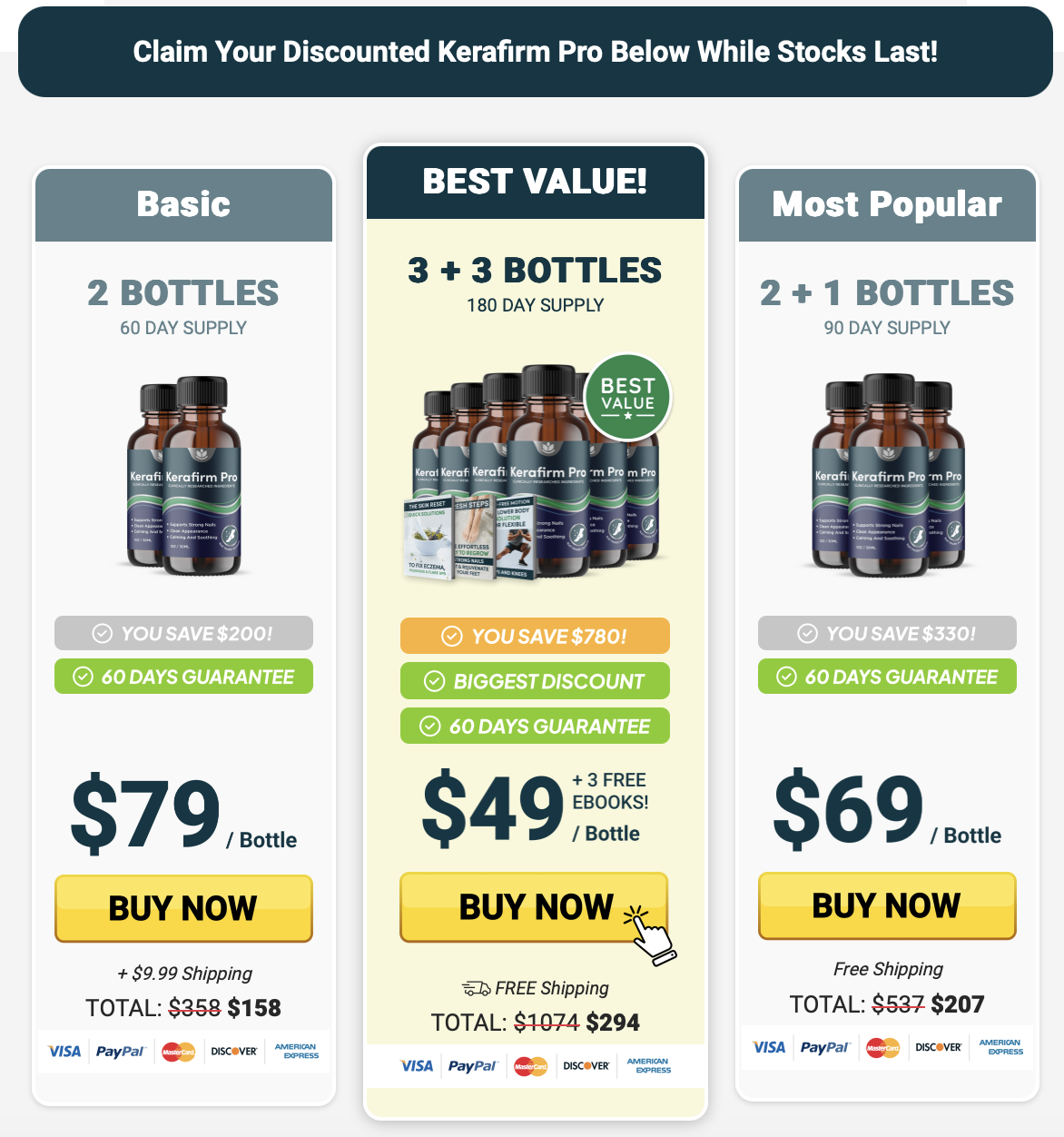
Compare KeraFirm Pro Packages Separately From the Clinical Evidence
Commercial terms can change. Check the merchant page for current pricing, shipping and guarantee details.
Check Current OfferDo Not Merge Medical Treatment Evidence With Consumer Product Marketing
Clinical treatment evidence
Prescription medicines and procedures should be evaluated using clinical guidance and intervention-specific studies.
Ingredient evidence
Research on a single oil, extract or antifungal ingredient may not predict the result of a multi-ingredient formula.
Finished-product evidence
KeraFirm Pro needs its own finished-product evidence for efficacy claims; merchant positioning alone is not clinical proof.
Why home remedies remain popular
Fungal nail treatment can take months, so low-cost home approaches are appealing. Tea tree oil, mentholated ointment and vinegar are frequently discussed online. Popularity, however, is not the same as clinical evidence.
Tea tree oil has limited clinical evidence
A randomized trial from 1994 compared 100% tea tree oil with 1% clotrimazole solution in 117 people with culture-confirmed toenail onychomycosis. Results showed similar rates of partial or full clinical improvement, but culture cure rates were low in both groups. NCCIH concludes that the amount and quality of research on tea tree oil for fungal nail infections are insufficient for firm conclusions.
Mentholated ointment evidence comes from a very small study
A 2011 case series followed 18 participants using a mentholated ointment. Some showed partial or complete improvement, but the study was small and uncontrolled. It is useful as an exploratory signal, not proof of reliable efficacy.
Vinegar remains largely an evidence-gap topic
Vinegar is widely recommended in informal sources, but the sources reviewed for this cluster do not establish high-quality clinical evidence that vinegar reliably cures onychomycosis. Acidic laboratory activity or anecdotes should not be translated into a finished treatment claim.
Where KeraFirm Pro fits
KeraFirm Pro contains a multi-ingredient topical formula according to merchant material. Ingredient studies can be reviewed individually, but they do not demonstrate that the finished commercial formula treats fungal nail disease. The buyer should keep evidence categories separate.
Continue Through the Treatment Research Path
Commercial KeraFirm Site
Price, packages, guarantee, shipping and purchase-route information.
Open buying guide →Sources Used for This Guide
- NCCIH: tea tree oil usefulness and safety
- Tea tree oil vs clotrimazole randomized trial
- Mentholated ointment case series
Source interpretation is intervention-specific. A study or guideline about one medicine, oil, device or procedure should not be treated as evidence for a different finished product.
Questions to Resolve Before Choosing a Treatment
Should I confirm the diagnosis before treatment?
Yes, especially before systemic treatment or when the nail appearance could have another cause. Several non-fungal nail disorders can look similar.
Does ingredient research prove KeraFirm Pro works?
No. Ingredient studies provide context but do not automatically establish efficacy for the finished multi-ingredient product.
Where can I review KeraFirm Pro price and packages?
Use en-kera-firm.com for the commercial buying guide or open the merchant offer directly.
Where can I find evidence and catalog context?
Use the MPS KeraFirm Pro review for evidence interpretation and MenPS for structured catalog information.
Research First, Then Compare the Current KeraFirm Pro Offer
Keep treatment evidence, ingredient evidence and merchant claims separate, then review current commercial terms before ordering.
Check Current Offer Open Buying Guide